TRUSENTA.IO module

Enterprise Architecture

Map technology capabilities, applications, integrations and architecture decisions for digital transformation visibility

Powerful features

What this module does

Map business capabilities to applications, document integrations, track architecture decisions and manage technology standards.

Capability-to-Application Links

Connect business capabilities to applications showing how technology enables business functions

Primary benefit

Trace from business strategy to technology implementation demonstrating value delivery

Problem it solves

Technology discussions reference applications but business strategy discussions reference capabilities. You can't connect the two conversations. When business wants to invest in a capability, you can't quickly identify what applications support it or what gaps exist.

Technology Standards Registry

Define approved technology standards for vendors, frameworks, platforms and integration patterns

Primary benefit

Enforce consistent technology choices across the organisation with documented standards and exception tracking

Problem it solves

Every project chooses technology independently, creating sprawl across vendors, frameworks and platforms. You have five different cloud platforms, eight integration patterns and twelve AI vendors because no standards exist. Supporting this diversity costs more than consolidation would save.

Architecture Decision Records

Capture architecture decisions with context, alternatives considered and consequences accepted

Primary benefit

Document why decisions were made so future architects understand rationale instead of guessing or repeating mistakes

Problem it solves

Architecture decisions are made in meetings and emails with rationale lost to time. When someone questions a decision, you can't explain why it was made because the people involved have moved on. You're revisiting settled decisions because new architects don't know they've already been evaluated.

Integration & Dependency Mapping

Document application integrations with data flow direction, frequency and dependency criticality

Primary benefit

Understand integration complexity and blast radius before making changes to connected systems

Problem it solves

You don't know what applications talk to each other until an integration breaks. Change impact assessments rely on asking people what might be affected. Critical dependencies are discovered during outages, not during planning.

Application Portfolio Management

Centralised inventory of applications and AI technologies with ownership, lifecycle status and capability mappings

Primary benefit

Maintain complete technology portfolio visibility with clear ownership and business context for every application

Problem it solves

Your application inventory is a spreadsheet that's six months out of date. No one knows who owns half the applications or what they do. Lifecycle status is unknown so you're supporting applications that should have been retired.

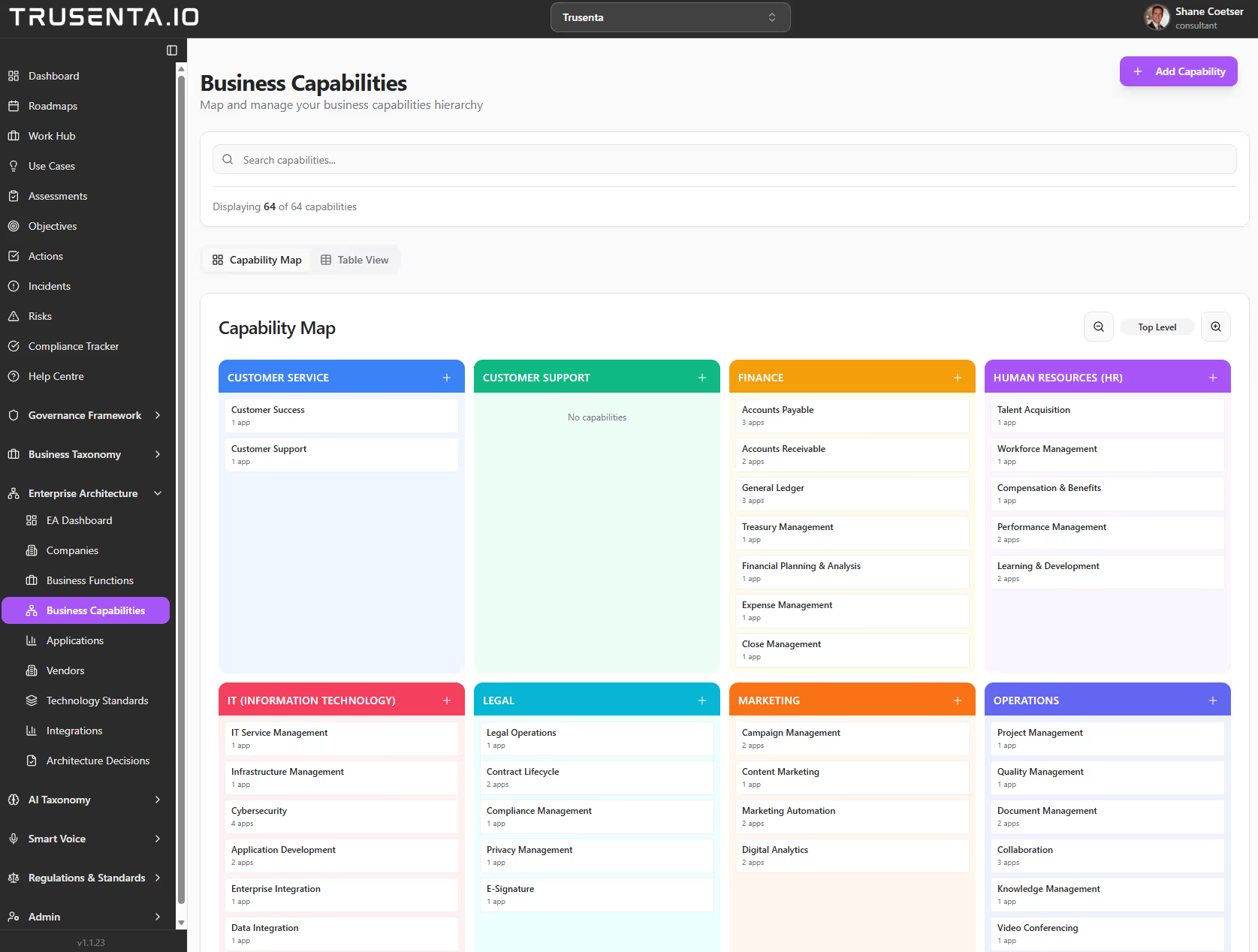
Capability Modelling & Mapping

Build hierarchical business capability maps linked to business functions and technology implementations

Primary benefit

Understand which capabilities your technology supports and identify gaps requiring investment

Problem it solves

You can list your applications but can't explain what business capabilities they support. Technology decisions are made without understanding business impact. You're investing in new capabilities without knowing if existing applications already provide them.

Ready to transform your AI strategy?

Partner with Australia's AI strategy and governance specialists. From adoption roadmaps to ISO 42001 audit readiness.